What it is
- It runs beside the records you already keep.
- It structures the full arc, from preparation through follow-up.
- It turns routine documentation into report-ready output.
- It holds de-identified patient references rather than patient names.

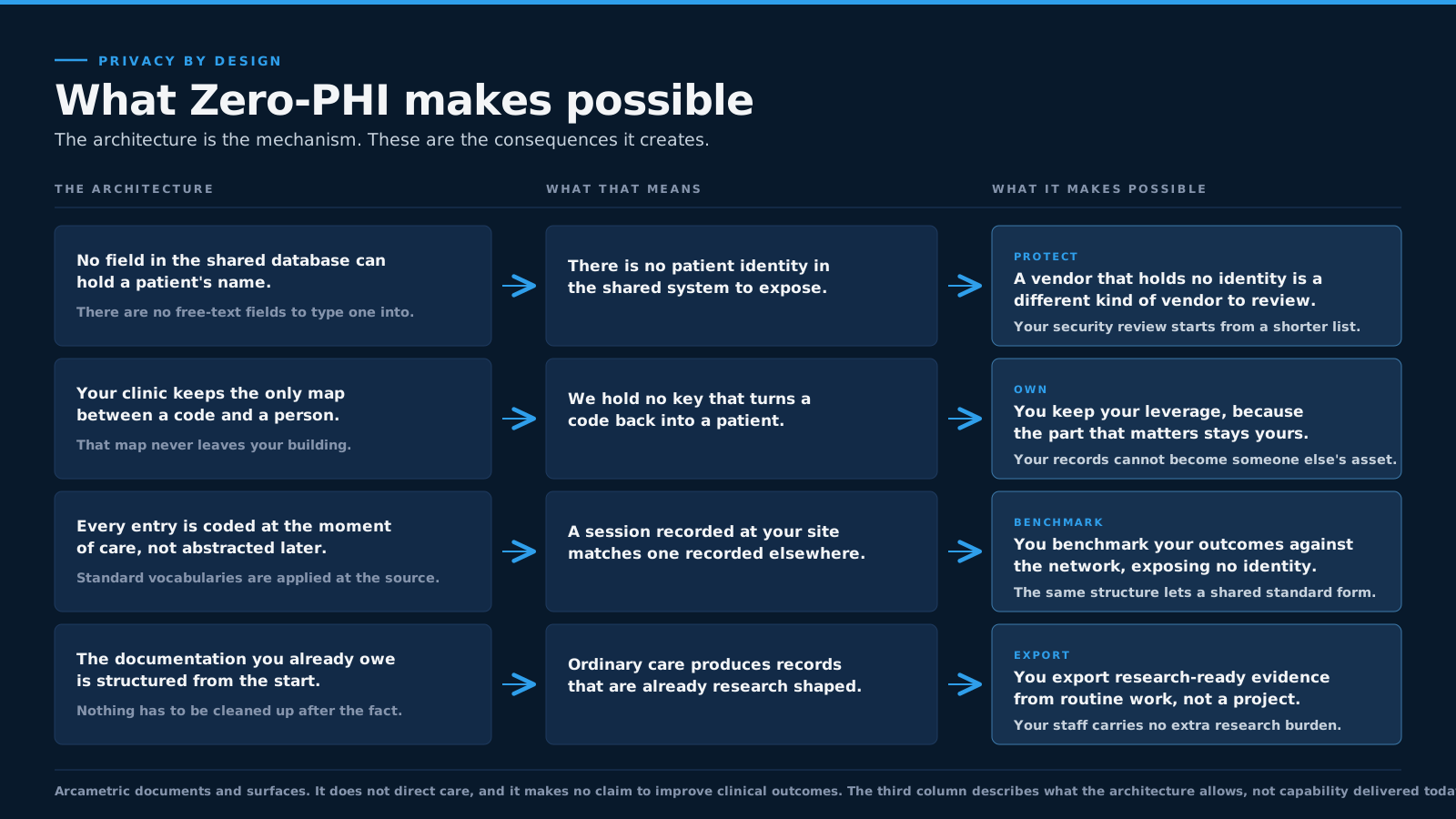
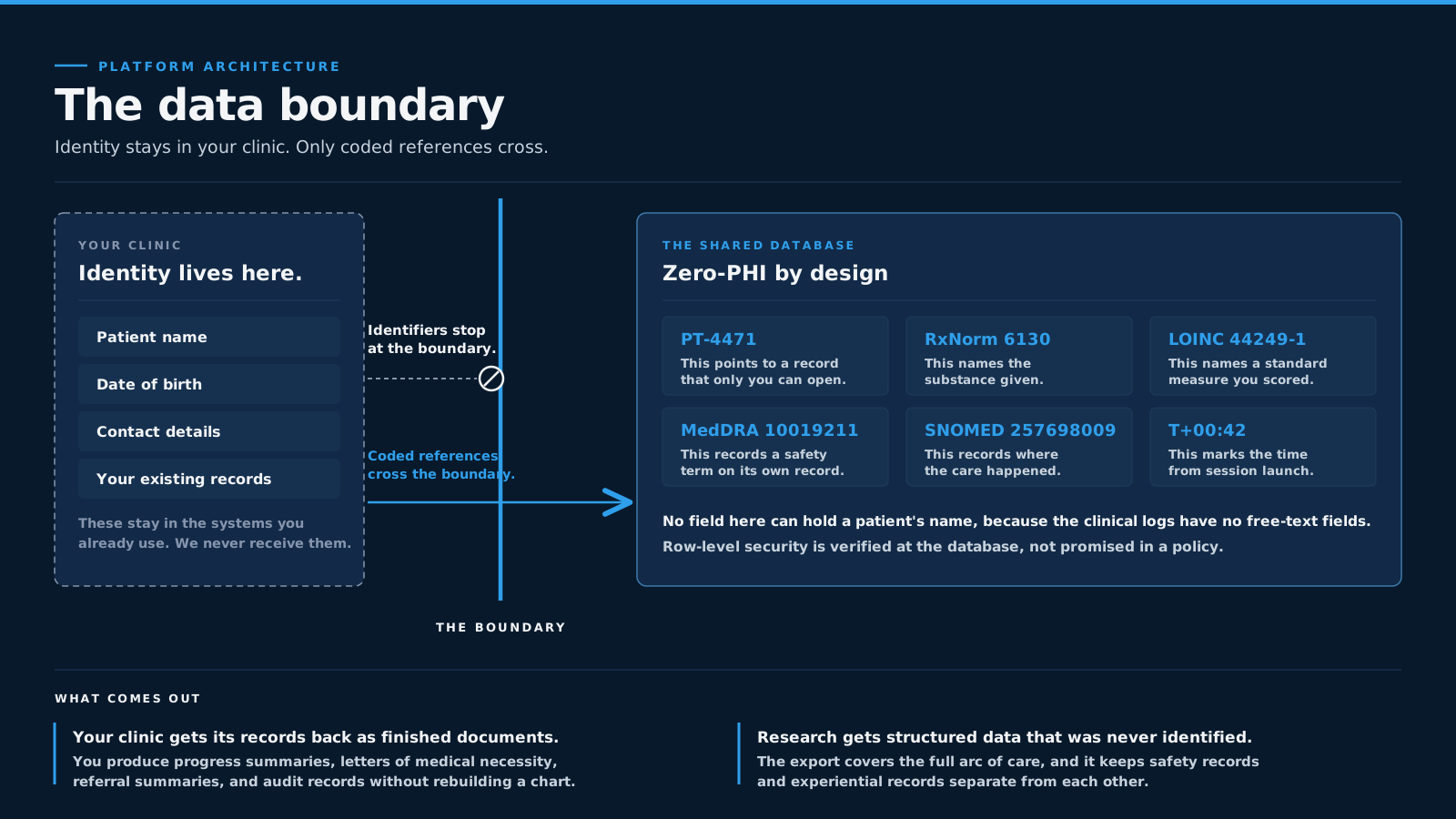
No field in the shared system can hold a patient's name. Identity stays in the clinic, and only de-identified patient references reach Arcametric. That architecture changes what Arcametric stores, but it does not replace legal, privacy, consent, security, or compliance review.
Arcametric records structured treatment activity and chronology while keeping patient identity in the clinic under the current architecture.
The fastest way to know whether Arcametric fits is to see exactly where it stops. It measures and documents. It does not direct care.
This is the part that is hard to say in words and easy to see in a picture. Privacy here is not a policy written on top of the software. It is the shape of the database.
The architecture is the mechanism. These are the consequences it creates for the people who use it and the people who review it.